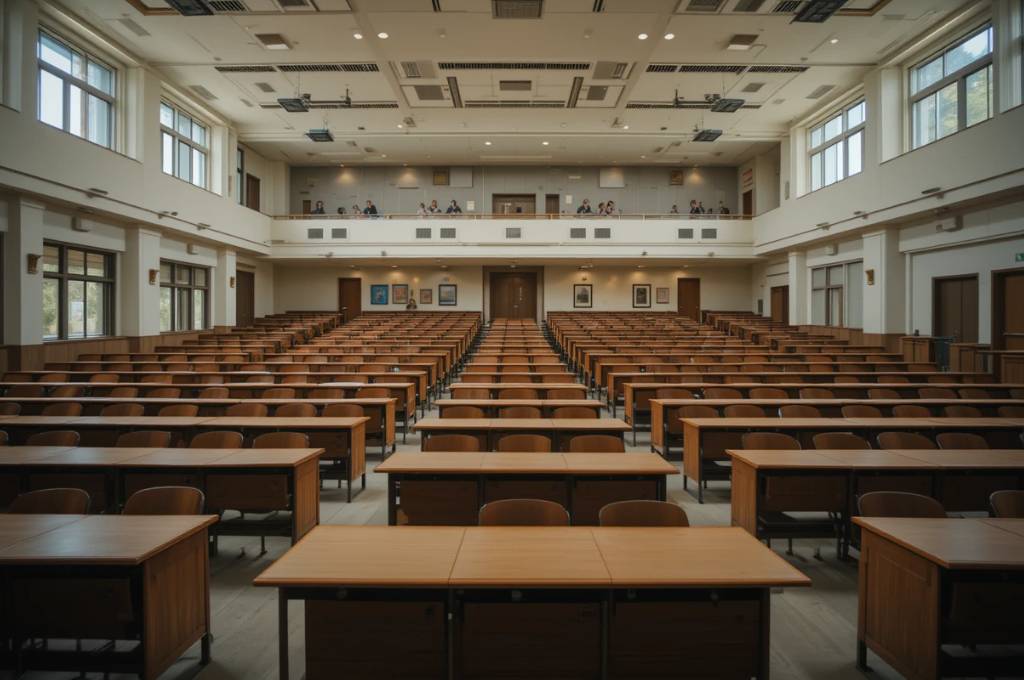
Pakistan is facing an escalating education crisis as government spending on the sector has plummeted to a historic low, compounding the challenges already posed by widespread poverty, gender disparity, and climate-induced disruptions. Despite the government’s declaration of an “education emergency” in 2024, recent data reveals that over 26 million children — more than one-third of the school-aged population — are currently out of school.
According to the Pakistan Economic Survey 2024–2025, education expenditure has dropped to 0.8% of GDP, a dramatic fall from 2% in 2018. This is significantly below the UNESCO Incheon Declaration’s recommendation of 4–6% of GDP for education. Alarmingly, the spending further contracted by 29% between July 2024 and March 2025, signaling an urgent need for financial redirection.
Gender and Regional Disparities Widen
While the Pakistani constitution guarantees free and compulsory education for children aged 5 to 16, the reality on the ground tells a different story. The overall out-of-school rate stands at 38%, but the situation is especially dire for girls. In Balochistan, nearly 75% of girls are not attending school, due to a lack of infrastructure, security concerns, and cultural barriers.

This gender gap has long-term implications: out-of-school girls face a significantly higher risk of early marriage and domestic responsibilities. Pakistan continues to grapple with one of the highest rates of child marriage in the world, with an estimated 19 million girls married before the age of 18, placing it sixth globally in this category.
Climate Change: A Hidden Barrier to Education
Extreme weather events driven by climate change have worsened educational access. In 2022, massive floods disrupted the education of 2.9 million children, and in 2024, severe heatwaves forced school closures across half of the country. These recurring crises not only damage school buildings but also erode family incomes, pushing more children into labor or out of formal education altogether.
In Khyber Pakhtunkhwa, many schools remain damaged from past disasters. At one such school, Headteacher Gull Bibi described the destruction caused by the 2022 floods: “The foundations have weakened, and the boundary walls are gone. If the school is rebuilt, I believe at least 70% of the girls who dropped out will return to class.”

Civil Society Response and International Appeals
Organizations like Save the Children have stepped in to fill the gap. Since 2022, the NGO has repaired or rebuilt over 100 schools, including climate-resilient structures in Sindh and all-girls institutions in remote northern areas. However, they warn that such efforts cannot replace government responsibility.
Khuram Gondal, Country Director for Save the Children Pakistan, criticized the shrinking budget: “When education spending falls below 1% of GDP, it doesn’t just reflect poor priorities — it breaks promises made to Pakistan’s children.”
He emphasized that education is critical to breaking the cycle of intergenerational poverty, especially in communities hit hardest by climate disasters and economic instability.
A Call to Action: Fulfill the 4% Pledge
The government of Pakistan previously announced its intention to raise education spending to 4% of GDP by 2029, but experts say that without urgent mid-term reforms, the goal will remain out of reach. Stakeholders are calling on international donors, bilateral partners, and civil society to ramp up support, particularly for climate-impacted and marginalized populations.
Save the Children, which has been active in Pakistan since 1979, is also urging the government to protect education from fiscal cuts, integrate climate resilience into school infrastructure, and prioritize gender-inclusive policies.