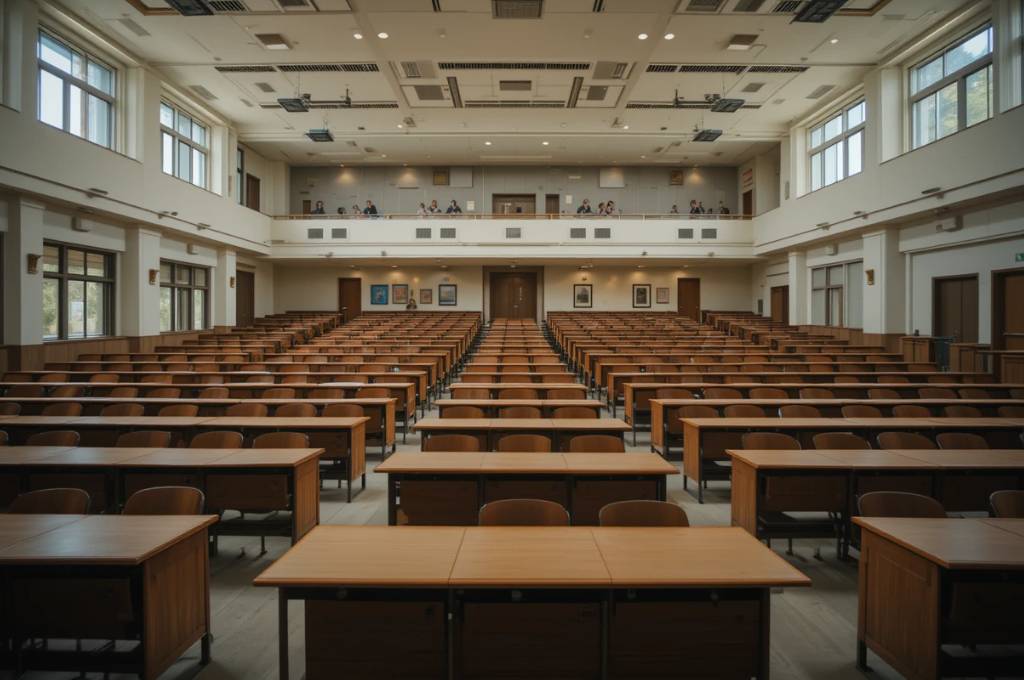
Public sector universities in Punjab are witnessing a significant decline in student enrollments this year, with admissions falling between 20% and 30% across many institutions. The trend has sparked alarm among educators, policymakers, and parents, raising urgent questions about the future of higher education in the province.
Steep Decline Across Major and Small Institutions
Data from the Punjab Higher Education Department shows that the drop is affecting institutions at every level—from prestigious universities to smaller regional campuses.
- Major universities such as Punjab University Lahore, Government College University Faisalabad, and Bahauddin Zakariya University Multan have all reported lower-than-expected intake numbers in their undergraduate, MPhil, and PhD programs.
- Smaller institutions in districts like Dera Ghazi Khan, Sahiwal, and Narowal are facing even greater challenges, with some struggling to fill seats in their flagship disciplines, including sciences, engineering, and social studies.
Why Students Are Opting Out of University
Educationists cite a combination of economic hardship, outdated academic programs, and a mismatch between degrees and job market needs as the key reasons behind the sharp decline.

Prof. Dr. Munawar Sabir, former chairman of Punjab University’s Geography Department, described the trend as “a warning sign of deeper systemic issues.” He explained that while public universities are cheaper than private institutions, additional expenses such as hostel fees, transportation costs, books, and daily living expenses make them unaffordable for many middle- and low-income families.
Inflation has hit rural and urban households alike. For example, Shamsa Bibi, a resident of a village near Narowal, shared that her son—despite scoring well in his intermediate exams—had to abandon his dream of higher education. “We simply cannot afford it. He’s now working in a factory instead,” she said.
Outdated Courses and Poor Industry Alignment
Experts also point to the stagnation in academic content. Prof. Dr. Muhammad Arshad Ali criticized the lack of modernization in degree programs: “Many universities are teaching the same curriculum they used 15–20 years ago. The job market has transformed, but our degrees haven’t kept up. Without employable skills, students don’t see value in investing years in a university program.”

This disconnect is driving more young people toward short-term skill-based courses, diplomas, and online certifications that promise faster entry into the workforce. The boom in freelancing, digital entrepreneurship, and gig economy work has also changed career aspirations, with students prioritizing skills in areas like graphic design, web development, and e-commerce over traditional degrees.
Patchy Modernization Efforts
While some universities have introduced programs in IT, artificial intelligence, data science, and business innovation, these changes remain inconsistent across the province. Few institutions have strong industry partnerships or career counseling services, leaving graduates to navigate the job market on their own.
Impact on Research and Academia
The drop in postgraduate (MPhil and PhD) admissions is particularly concerning for faculty members, who warn that reduced enrollment at these levels could weaken academic research, innovation, and knowledge production in Punjab.
Calls for Urgent Government Action
Education experts are urging the Punjab government to address the crisis with immediate reforms. Recommendations include:
- Subsidized or free transportation for university students.
- Expanded scholarships targeting low-income families.
- Lower entry test fees and simplified online admission systems.
- Curriculum overhauls to match industry demands and emerging fields.
- University–industry partnerships to create internship and job pipelines.
Without swift action, experts warn, the decline in admissions could have long-term consequences for Punjab’s workforce quality, innovation potential, and overall socio-economic development.